Director
Șerban PAVLU
Șerban PAVLU
Prima revistă de creație hibridă, înființată de Doina Ruști, pe 24 februarie 2020.
Editată de Asociația Creatorilor de Ficțiune




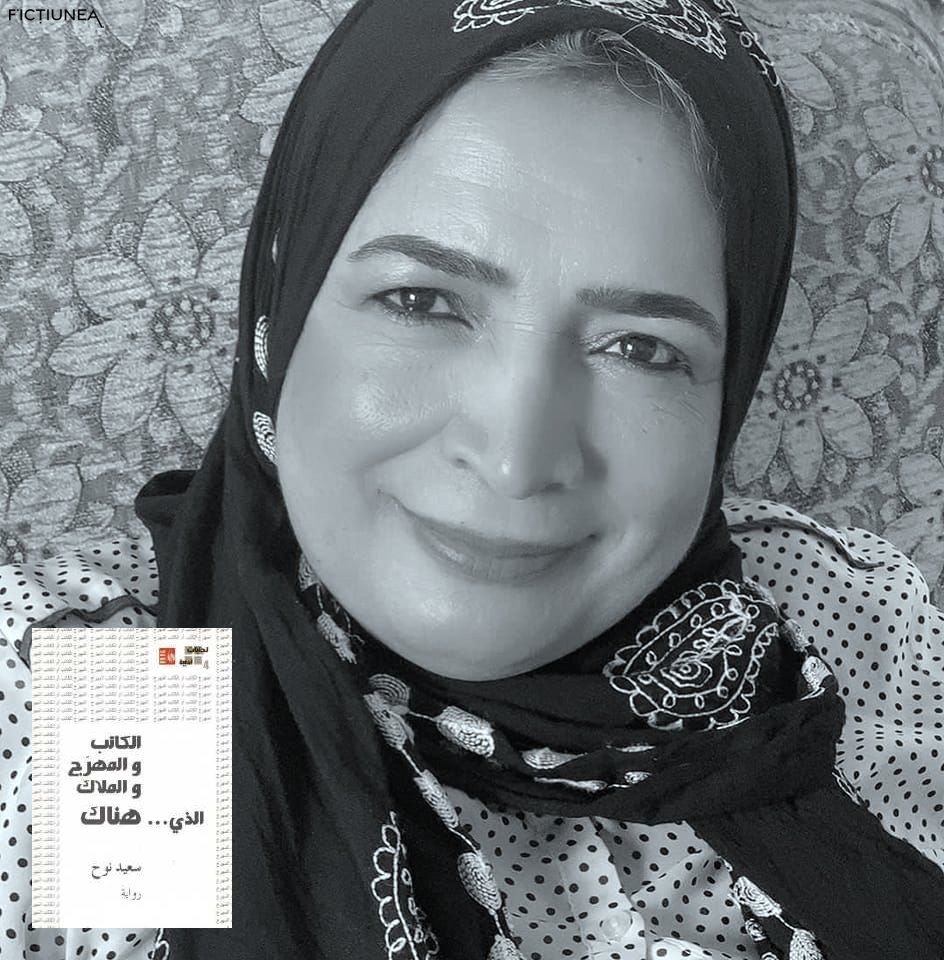
"Scriitorul, clovnul și îngerul de acolo" este al șaptelea roman al scriitorului egiptean Saeed Nouh, publicat în seria Literary Manifestations, de la General Authority for Culture Palaces. Textul reprezintă o continuare a proiectului narativ al lui Saeed Nouh, în care acesta îmbină realitatea cu imaginația, lucrând în registrul fantastic al îngerilor, care devin capabili să împărtășească fricile, anxietățile, visurile și aspirațiile omenirii. Textul oscilează între două lumi: lumea realității, cu opresiunea, marginalizarea și tirania ei, și fuga din fața acestei tiranii prin reuniuni ale plăcerii și beției; și lumea fanteziei, unde îngerii stau martori asupra lumii oamenilor, cu toate contradicțiile ei.
Saeed Nouh lucrează cu conceptul polifoniei și al narațiunii carnavalești, construind trei texte distincte, cu voci și perspective diferite. Îngerul reprezintă punctul de vedere implicit, situat între adevăr și minciună. Romanul este împărțit în trei texte împletite: primul privește așezarea informală Abu Dahruj, o așezare ocupată de un grup de oameni marginalizați din Helwan, începând cu 13 octombrie 1981, având ca protagoniști personaje formate în epoca istorică de treizeci de ani ce a urmat.
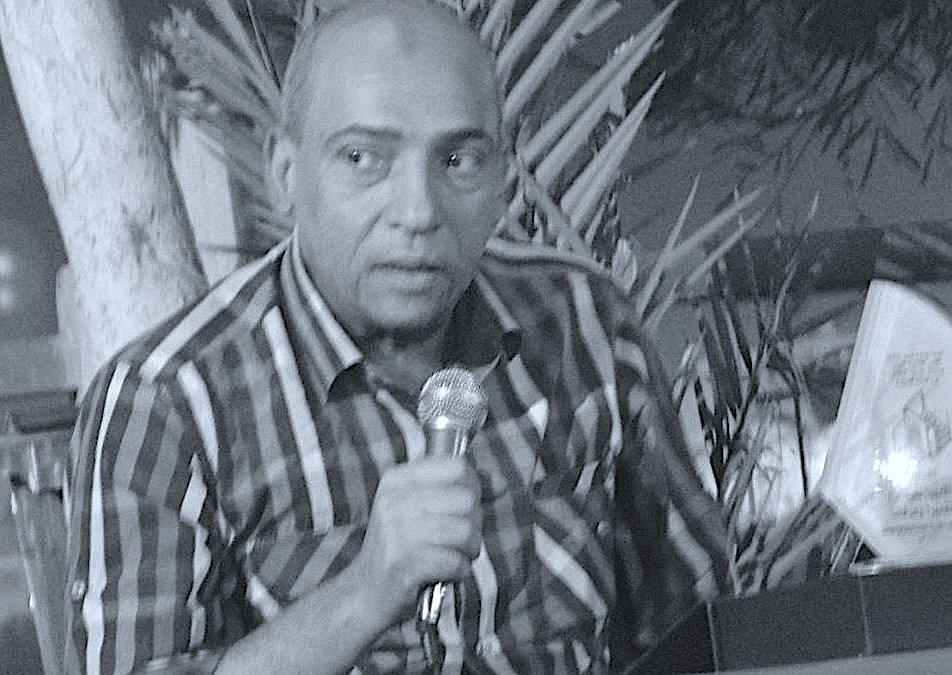
Al doilea text implică discuția scriitorului – vocea ce reprezintă autorul real – care examinează evenimentele istorice prin care a trecut Egiptul, de la Revoluția din 1952 până la amendamentele constituționale din 2005.
Al treilea text este de natură documentară sau creează iluzia documentării, în ceea ce critica a numit "noul documentarism". Aici, scriitorul folosește o formă documentară pentru a-și prezenta perspectiva asupra evoluțiilor din caracterul egiptean, în special asupra relației acestor oameni marginalizați cu societatea egipteană. Textul apare ca un studiu de teren documentar despre apariția așezării informale Abu Dahruj și principalele ei caracteristici demografice, însă în realitate este un text iluzoriu, imaginativ, prin care scriitorul încearcă să creeze verosimilitate documentară.
Romanul începe cu vocea scriitorului, nesigur de unde să înceapă narațiunea: "Voi începe de unde nu au ajuns predecesorii mei, și tocmai de aceea am ales numele acesta pentru roman între – unde să-l pun acum? Acum voi începe cu scriitorul. Saad Allah al-Tali’ Ali Aboud. Îl cunoști? Să fiu mai milostiv cu tine. Ai înțeles ceva?"
Astfel, încă de la început, Saeed Nouh ne pune față în față cu autorul implicit, pe care îl numește Saad, discutând într-unul dintre pragurile semnificative ale textului titlul romanului – prima poartă de acces către lectură.
Înainte ca cititorul să plece, autorul încearcă să-l rețină introducând vocea clovnului, care ne oferă un fel de parodie sau imitație satirică a ceea ce Saeed Nouh ne va propune în imaginarul narativ. Apoi îngerul pătrunde în spațiul narativ, iar noi aflăm cum va funcționa prezența și poziția sa în roman: "Îngerul trebuie să intervină, căci acea ironie pe care o au de obicei scriitorii este de obicei –", spuse clovnul.
"Eu, îngerul de acolo, îți spun: Saad Allah al-Tali’ Ali Aboud este numele scriitorului care stătea cu doi dintre prietenii lui apropiați."
Așa își modelează textul tensiunea lecturii și relația cu cititorul ipotetic, oscilând între două temporalități și două logici narative: una prozaică și realistă, cealaltă poetică și mitologică. Împletirea lor rămâne prezentă într-o viziune complexă care repune în discuție dualitatea adevăr–metaforă. De aceea, lectura romanului cere prudență critică, ținând cont de dialogul dintre componenta mitologică (vocea îngerului), care dezvăluie relația ascunsă și complice dintre scriitor și clovn – scriitorul care prezintă adevărul a ceea ce s-a întâmplat și clovnul care apără viziunea politică a vocii tiranului – și apoi celălalt element narativ, vocea autorului implicit și, în spatele ei, a autorului real (Saeed Nouh).
După încheierea primului capitol, Saeed Nouh elimină vocile îngerului și ale clovnului, introducându-ne într-o lume complet imaginară, în care se desfășoară lumea așezării informale Abu Dahruj. Aici, autorul alternează între discursul cultural și social al lumii mahalalei, care apare ca o insulă izolată de țara numită Egipt, și discursul politic al tiranului care încerca să lase moștenirea puterii fiului său și, pentru a atinge acest scop, a lucrat la erodarea conștiinței societății egiptene și golirea ei de fundamentele umane, politice și sociale.
În ciuda tendinței textului de a atenua presiunea contextului istoric, acesta nu a putut transcende condiția timpului circumstanțial, devenind implicat în societate și reprezentând o semnificație a lumii.
Acesta este un text narativ social complex și enciclopedic, cuprinzând tot ceea ce societatea ar dori să cunoască, ca și cum scriitorul ar fi dorit să dezvăluie inconștientul social. În lumina acestei înțelegeri, vechiul vis colectiv al miturilor romanului se întâlnește cu inconștientul politic ce reiese din semnele sale referențiale explicite și implicite.
Mitul impregnează spațiul textual al romanului. Chiar și personajele și spațiile care par realiste sunt atinse de o aură mitologică. Personajul al-Mahrous min al-Ain nu este doar singurul fiu al unei femei care a căutat cincisprezece ani un copil pentru a deveni stăpână în propria casă; el vine ca un dar dăruit de șeicul Ahmed Hassan Shah, martor al vieții spirituale a locuitorilor mahalalei, care le dăruiește binecuvântările și manifestările sale sufi. Pe de altă parte, Filfil, unul dintre personajele romanului, își derivă mitologizarea din mama sa – prostituata virtuoasă împinsă cu forța în viciu de societate, una dintre manifestările sărăcirii organizate impuse de conducătorul tiranic.
Personajul Salama al-Nimis își extrage mitologizarea din inventarea unei băuturi spirituale cu mare putere asupra locuitorilor mahalalei, numită chiar "Biruitoarea bărbaților". Prin imitație satirică, autorul dezvăluie defectele societății și instabilitatea sistemului ei de valori morale, expunând cultura masculină, virilă, care recunoaște doar forța, dominația și oprimarea componentelor culturale mai slabe – precum femeile, creștinii și săracii.
Miraculosul și straniul pătrund structura romanului, dar fantasticul de aici diferă de ceea ce este cunoscut. Fantasticul izvorăște din uimirea realității și din ruperea legilor ei, depărtându-se de standardele teoretice occidentale (poetica fantasticului la Todorov și alții). Pentru toate acestea, autorul s-a inspirat din compendiul minunatului în dimensiunea sa populară locală, ca fundament diferit de forma stereotipă a fantasticului metafizic.
"Scriitorul, clovnul și îngerul de acolo" se sprijină pe tehnica narativă a O mie și una de nopți, împărțindu-și narațiunea în două părți: prima reprezintă povestea adunării, evenimentele sale gravitând în jurul autorului implicit (Saad al-Tali’ Aboud) și al companionilor lui, împreună cu clovnul și îngerul care irump în poveștile lor, formând rama narativă a romanului. A doua cuprinde poveștile mahalalei și ale locuitorilor ei, povestite de narator ca o istorie scăpată de sub controlul autorului implicit și al celui real. Această similitudine între cele două opere este întărită prin corespondența elementelor spațiului narativ (adunările de seară ale companionilor – adunările și poveștile locuitorilor mahalalei) și suprapunerea numelor autorului implicit și al celui real (Saad Allah al-Tali’ Aboud și Saeed Nouh).
Nivelurile de limbaj din roman variază, de la limbajul încărcat de energii poetice latente din cuvintele îngerului și ale clovnului, până la limbajul prozaic, diversificat între arabă standard și colocvială, în narațiunea și dialogurile celorlalte personaje.
"Scriitorul, clovnul și îngerul de acolo" este o contribuție distinctă și remarcabilă la proiectul romanesc al lui Saeed Nouh, care și-a adăugat un loc clar pe harta literară narativă arabă.
"The Writer, the Clown, and the Angel Over There" is the seventh novel by The Egyptian writer Saeed Nouh, published by the Literary Manifestations series of the General Authority for Culture Palaces. This text represents an extension of Saeed Nouh's narrative project, where he blends reality with imagination, working within the fantastical realm of angels who become capable of sharing humanity's fears, anxieties, dreams, and aspirations. The text oscillates between two worlds: the world of reality with its oppression, marginalization, and tyranny, and the escape from confronting this tyranny through gatherings of pleasure and intoxication; and the world of fantasy, where angels stand as witnesses to the human world with all its contradictions.
Saeed Nouh works with the concept of polyphony and carnivalesque narrative, constructing three distinct texts with different voices and perspectives. The angel represents the implicit viewpoint between truth and lies. The novel is divided into three interwoven texts: the first concerns the informal settlement of Abu Dahruj, that settlement which a group of marginalized people from Helwan began occupying on October 13, 1981, with protagonists who are products of that historical era spanning thirty years.
The second text involves the writer's discussion—the voice representing the actual author—examining the historical events Egypt experie nced from the 1952 Revolution through the constitutional amendments of 2005.
The third text is documentary in nature, or creates the illusion of documentation, in what has been critically termed "new documentarism." Here, the writer employs a documentary form to present his perspective on developments in the Egyptian character, particularly regarding these marginalized people's relationship with Egyptian society. The text appears as a documentary field study written about the emergence of the Abu Dahruj informal settlement and its main demographic characteristics, when in fact it is an illusory, imaginative text by the writer attempting to create documentary verisimilitude.
The novel begins with the writer's voice, uncertain about where to start the narrative: "I will begin from where my predecessors have not come, which is why I chose that name for the novel between—where do I place it now? Now I'll begin with the writer. Saad Allah al-Tali' Ali Aboud. Do you know him? Let me be more merciful to you. Have you understood anything?" Thus, from the outset, Saeed Nouh places us face-to-face with his implied author, whom he names Saad, discussing in one of the text's significant thresholds the novel's title, which is the first gateway to reading it.
Before his reader departs, he attempts to hold on by introducing the clown's voice, which presents us with a kind of parody or satirical imitation of what Saeed Nouh will offer us in narrative imagination. Then the angel enters the narrative space, and we learn how his presence and position will function in the novel: "The angel must intervene, for that irony that writers usually possess is also usually—" Thus said the clown. "I, the angel over there, tell you: Saad Allah al-Tali' Ali Aboud is the name of the writer who was sitting with two of his intimate friends."
This is how the text shapes its readerly tension and its relationship with the hypothetical reader, wavering between two temporalities and two narrative logics: one prosaic and realistic, the other poetic and mythological. Yet their interweaving remains present within a complex vision that re-poses the duality of truth and metaphor. Therefore, reading the novel requires critical caution that takes into account the dialogue between the mythological component (the angel's voice) revealing the hidden collusive relationship between the writer and the clown—the writer who presents us with the truth of what happened, and the clown who defends the political vision of the tyrant's voice—and then comes the other narrative component, which is the voice of the implied author and behind him the voice of the real author (Saeed Nouh).
Upon finishing the first chapter, Saeed Nouh removes the voices of the angel and the clown, ushering us into a complete imaginative world where the world of the Abu Dahruj informal settlement unfolds. Here, Saeed Nouh alternates between the cultural and social discourse of the informal settlement world, which appears to us as an island isolated from a country called Egypt, and the political discourse of that tyrant who attempted to bequeath rule to his son, and in pursuit of this, worked to erode Egyptian society's consciousness and empty it of all its human, political, and social foundations.
Despite the text's tendency to lighten the pressure of historical context, it could not transcend the condition of circumstantial time, becoming implicated in society and representing some meaning in the world.
This is a social narrative characterized by being evolved and encyclopedic, encompassing everything society wishes to know, as if the writer wanted to reveal the social unconscious. In light of this understanding, the ancient collective dream of the novel's myths meets the political unconscious emerging from its apparent and implicit referential signs.
Myth permeates the novel's textual space. Even characters and spaces that appear realistic are tinged with a mythological gleam. The character of al-Mahrous min al-Ain is not merely the only son of a wife who spent fifteen years searching for a child to make her mistress of the house; rather, he came as a gift bestowed upon her by Sheikh Ahmed Hassan Shah, who stands as witness to the spiritual life of the informal settlement people, bestowing upon them his blessings and Sufi manifestations. Meanwhile, Filfil, one of the novel's characters, derives his mythologization from his mother, the virtuous prostitute whom society forcibly pushed into vice—one of the manifestations of the organized societal impoverishment practiced by the tyrannical ruler.
The character of Salama al-Nimis derives her mythologization from her invention of a spiritual drink with great power over the informal settlement's inhabitants, even named "the Vanquisher of Men." Through satirical imitation, the writer reveals society's flaws and the shakiness of its moral value system, exposing the masculine, virile culture that recognizes only strength, domination, and the oppression of its weaker cultural components such as women, Christians, and the poor.
The marvelous and the strange penetrate the novel's structure, but the fantastical here differs from what is known. The fantastical emerges from the astonishment of reality and the breaking of its laws, diverging from Western theoretical standards (the poetics of the fantastic according to Todorov and others). For all this, the writer drew upon the marvelous compendium in its popular local dimension as a foundation different from the stereotypical form of the metaphysical fantastical.
"The Writer, the Clown, and the Angel Over There" draws upon the narrative technique of the Arabian Nights, splitting its narrative into two parts: the first represents the story of the gathering, its events revolving around the implied author (Saad al-Tali' Aboud) and his companions, along with the clown and angel who burst into their tales, forming the novel's frame narrative. The second comprises the tales of the informal settlement and its inhabitants, narrated by the narrator as a story that escaped the control of both the implied and real author. This similarity between the two works is reinforced through the correspondence of narrative space elements (the companions' evening gathering—the informal settlement people's gatherings and their tales) and the overlapping names of the implied and real authors (Saad Allah al-Tali' Aboud and Saeed Nouh).
The language levels in the novel also varied, ranging from language revealing latent poetic energies in the words of the angel and clown, to prosaic language that diversified between standard and colloquial Arabic levels in narration and dialogue on the tongues of the remaining characters.
"The Writer, the Clown, and the Angel Over There" is a distinctive and remarkable addition to Saeed Nouh's novelistic project, which has dig for itself a deep place in the Arab narrative literary map.
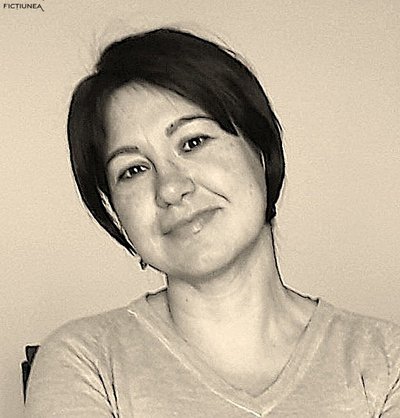
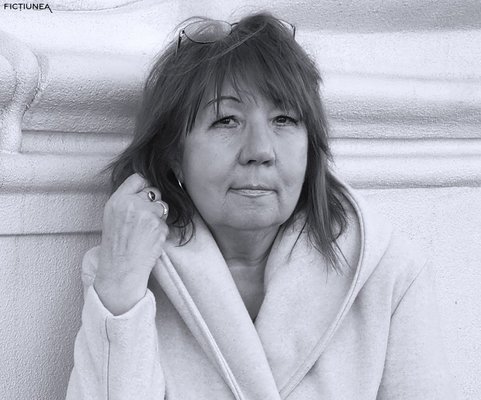
Prozatoare, traducătoare și eseistă, una dintre scriitoarele importante din Cairo, este autoarea a numeroase volume, între care Girls’ Love, Amrat Al-Dar, Room 13, Houses Inhabited by Spirits, Passageways of Loss (novel), Three Paths to Happiness, Beit Al-Kholoud: The Secret Life of Farida Al-Mufti etc. Scrie eseu și studii critice despre feminism, marginalizare, proză contemporană. Printre altele este și traducătoarea lui Oscar Wilde, traducând în mod curent și proză contemporană americană. De asemenea, este profesor de estetică la Facultatea de Teatru și redactor-șef al revistei culturale Misr Al-Mahrousa.